
Written by Taylor Baldwin Kiland; 2024 Portrait by Jamie Howren
This piece was reprinted with permission from the St. Stephen’s and St. Agnes School magazine, The Saints Life. A condensed version of this article was published in the April 2024 Issue of Coronado Magazine. To read this article and more from Coronado Magazine, the button below.
It was 2:30 a.m., on July 9, 1967, when 8-year-old Michelle Martin heard a loud knock at the front door of her Coronado, Calif., home. In 1967, this small town was full of Navy families, and the Martins were no exception.
The island was full of aviators who flew jets and helicopters on and off the island at Naval Air Station North Island, and Navy SEALs who trained in the ocean and on the beach at the Naval Amphibious Base. The sounds of jets flying low overhead and the sights of Navy SEALs running in formation on the beach were common ones. Coronado felt like a small southern town—but in southern California. The village had one stoplight, one high school, one library, one all-night diner, and lots of gossip. It also boasted a historic hotel, the Hotel Del Coronado, with its iconic red turrets. The Del was a popular playground for the rich and famous who traveled from all over the world to see the Victorian resort perched on the edge of the Pacific Ocean and to experience the island’s near-perfect, year-round climate. It was seventy degrees and sunny nearly every day.
Nicknamed the Emerald Isle, Coronado in the 1960s was a paradise for military families, a cocoon in which to wait for the many dads who deployed to war zones for months on end. No one locked their doors and kids biked everywhere. They spent weekends surfing, playing volleyball, and lounging late into the night at beach bonfires. On this cool summer night, the head of the Martin household, Navy Lt. Cmdr. Ed Martin, was gone again for a long deployment to the Pacific. His family knew he was fighting in Vietnam, like many of the dads who lived here.
Sleeping adjacent to the front hall, Michelle was jolted awake by the sharp rap at the door. Rubbing her eyes, she jumped out of bed. “It totally scared me,” she remembers. Clad in her nightgown, she slowly opened the front door. There, silhouetted by the porch light, was a man standing erect in his Navy uniform, his face ghoulishly illuminated by a flashlight under his chin. He asked to speak to her mother, Sherry Martin.
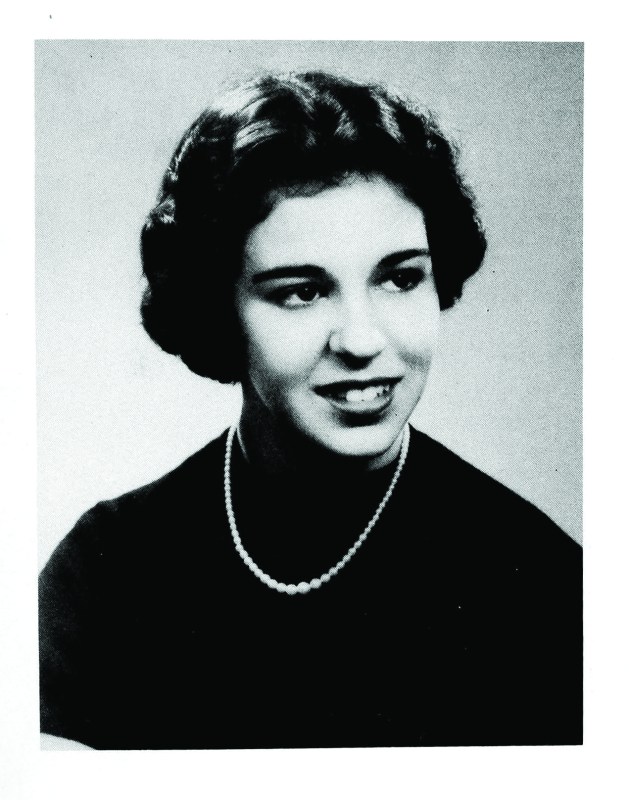
Michelle ran down the hall to wake Sherry, a graduate of the St. Agnes Class of 1952. She, too, was startled by the commotion on the front porch, but Sherry’s maternal instincts kicked in. “Go back to bed, honey. Everything is fine.”
Sherry knew everything was not fine. Military families like the Martins did not receive visits in the middle of the night from U.S. government officials unless something had gone terribly wrong.
Composing herself, Sherry approached the man at her front door, dreading what she was about to hear. Solemnly, he delivered the news: Ed’s A-4 Skyhawk attack plane had been shot down while on an air strike over North Vietnam. He had managed to safely eject from his plane and parachute to the ground, where Ed was immediately surrounded by villagers. It was assumed he was captured, but they honestly did not know. Ed was missing in action.
Missing? How could he be missing? Casualties were a fact of life in the military. Men were killed in combat. But missing? It seemed incomprehensible.
The United States was in the middle of a war with North Vietnam, a country that was refusing to provide a full accounting of the American servicemembers it was holding captive as prisoners-of-war. Was Ed alive or dead? Was Sherry a wife or a widow? She would not know for four years.
The military had no structure or policy in place for families other than notification by a senior officer or a chaplain, who famously told one wife whose husband was a prisoner-of-war, “I’m here for you. I’m in my office Monday through Friday, 8:30 to 4:00.”
What’s worse, Sherry and other families whose husbands were missing or held captive were admonished to “keep quiet.” In the belief that the North Vietnamese would use any information as propaganda, Sherry and other wives in her predicament were told not to reveal to anyone outside of their immediate family that their husbands were captured or missing. As one MIA wife opined, “Now, how do you live like that?”
But they did. For a while.
This was, after all, the 1960s, and life was still very much like the 1950s. At the time, the median income was $6,600, the average price of a new car was just under $3,000, fuel cost 31 cents per gallon, and a first-class postage stamp was 5 cents. One dozen eggs cost 53 cents.
Homes had one rotary phone (and only one). Televisions often had rabbit ear antennae. Families played board games such as Mouse Trap, Monopoly, and Trouble. Communication was more personal back then. There were only three television networks: ABC, CBS, and NBC. Most of America sat down to hear the news around dinnertime.
And what was life like for women in the 1960s? Many still wore white gloves when they went out to lunch. They rarely went out to dinner by themselves and they certainly did not travel by themselves. They worked as teachers, nurses, and stewardesses until they married and had children—as it was not uncommon for pregnant women to be fired from their jobs.
Women could not get a credit card, a car, or a mortgage without a man’s signature. No man, no mortgage.
Military wives of this era, like Sherry, had even more restrictions placed on them. They were expected to assist and support their husbands and their careers (or there were consequences for him); they wore their husbands’ rank, as many saw the women as extensions of their husbands; and they entertained a lot.
Each military service issued its own guidelines for wives. “The Navy Wife,” updated in 1955, was one such book. It painted a picture of an exciting and glamorous life for young women lucky enough to marry a naval officer: social activities, world travel, and exposure to national and international military leaders, diplomats, and politicians. The tome also issued a warning: Navy wives must get used to waiting. “What is more, they must learn to wait patiently…. In such situations it’s bad enough to feel tense and jittery, but it is worse to show it.” Wives had to love the Navy—and its hardships—as much as their husbands did. Military wives did not disparage the military; they did not violate the pecking order and protocols of the military; and they did not reveal their personal “burden” to anyone. Until Vietnam, this expectation permeated military culture.
It was against this backdrop that men like Lt. Cmdr. Martin shipped off to Vietnam, a small country that was unfamiliar to many Americans. The conventional wisdom was: how long would it take for a force as big and powerful as the United States military to defeat a country the size of New Mexico?
President Johnson’s advisers advocated for an air war. In March 1965, Operation Rolling Thunder kicked off and the sustained, aerial bombing of North Vietnam began. Pilots were shot down by the North Vietnamese. Hundreds of aviators and airmen went missing, and many were captured.
A black sedan, the harbinger of dreaded news, began showing up at the homes of aviators like Ed Martin. Like a raven circling around the neighborhood, the dreaded sedan came to deliver bad news. And it came for Sherry on July 9, 1967.
She was told that the U.S. government believed the prisoners were being well treated and authorities had every reason to believe that this condition would continue. After all, North Vietnam had signed the 1949 Geneva Conventions. Those countries who signed this treaty pledged to treat prisoners-of-war humanely: to give them adequate medical treatment, to feed them, house them, allow them to communicate with family, and to allow third-party inspectors at prison camps. Or so they thought.
Families had powers-of-attorney lasting mere months, the length of time for a planned Vietnam deployment. Those quickly expired.
Government officials seemed plodding and often disinterested. They didn’t communicate with the women very often. They didn’t share information about other women and families in the same predicament. The women were isolated. Most suffered in silence.
The government was confident they could achieve a quick release of captive men through quiet, back-channel diplomacy. After all, that tactic had worked with other Cold War-era incidents, such as the shootdown of Gary Powers who flew a U-2 spy plane in 1962. His release two years later was considered a diplomatic triumph.
But days turned into months and then years of waiting. How would families manage financially, emotionally? They wondered: Were they wives or widows?
Fast forward to October 1968 when Sherry’s friend and neighbor Sybil Stockdale decided to break the silence. Married for more than two decades and the mother of four boys, Sybil was the wife of Navy Cmdr. Jim Stockdale. By October of 1968, he had been a captive of the North Vietnamese for three years. Sybil recognized that Hanoi was winning the battle of propaganda in the media. And she watched the antiwar activists claim that the American captives were being treated well.
She knew otherwise. With the help of intelligence officials, she and Jim had been exchanging encoded letters. She had become a spy. His secret messages revealed that the men were being tortured and placed in isolation for long periods of time.
Meeting with the State Department point man on the issue of missing and captive Americans, Ambassador Averell Harriman, she was unimpressed. He assured her that the United States government’s efforts on behalf of her husband were extensive but classified. In other words, she only received the proverbial pat on the head.
After three years of no progress, Sybil refused to keep quiet any longer. She bravely and boldly gave an interview to the San Diego Union. In it, she said:
“Where is the evidence, then, that Hanoi is a responsible government in the world community?” she asked. With defiance, she concluded, “The North Vietnamese have shown me the only thing they respond to is world opinion. The world does not know of their negligences [sic] and it should know!”
Syndicated around the country, many POW and MIA wives like Sherry read her interview. And it gave them the courage to go public, too.
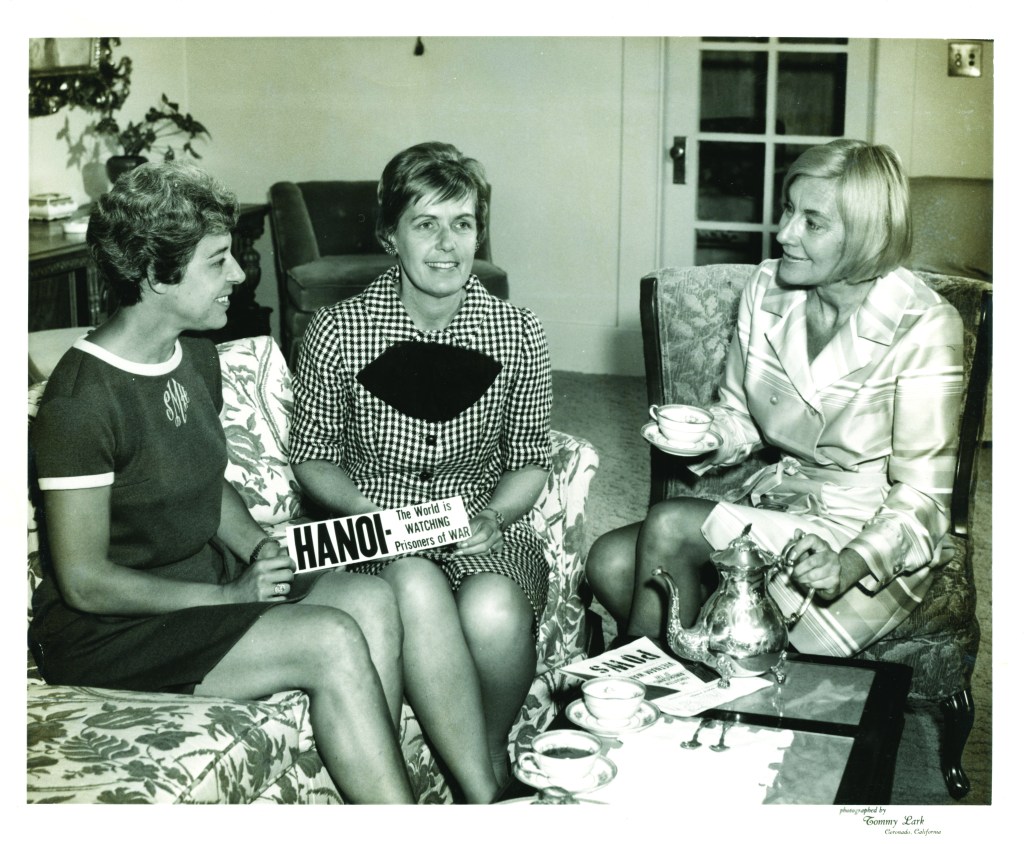
Sherry and Sybil Stockdale, along with hundreds of other POW and MIA wives, rolled up their sleeves and, armed only with paper and pen, phone books and telephones, started writing and calling Washington. In January 1969, on the eve of President Richard Nixon’s inauguration, they deluged the White House with two thousand telegrams, urging the new president to “Please remember those who have offered so much for our country, the men who are prisoners of war in Vietnam. Don’t forget them now. Please insist on their immediate release through negotiations in Paris.”
They traveled to Paris for a showdown with the North Vietnamese, demanding an accounting of the missing men and better treatment for the POWs. They walked the halls of Congress and testified on the floor of the House and Senate. They traveled around the world, meeting with world leaders who could influence the North Vietnamese, like Pope Paul VI and Indira Gandhi. They appeared on national television and the covers of Life and Look magazines. They shook their fists at the Secretaries of Defense and State and urged President Nixon and Henry Kissinger to make the fate of the POWs a central point of negotiations at the Paris peace talks. Along with a Los Angeles-based student organization, they created the POW and MIA bracelets, metal cuffs inscribed with the name of one missing or captive man. More than five million of these bracelets were sold, effectively making the plight of our Vietnam POWs and MIAs personal for millions of Americans.
For Sherry, keeping busy with the other wives gave her purpose and staved off the loneliness and the dreams of reuniting with Ed—dreams she could not afford to have. “I generally forced myself to be so busy that by the time 9 o’clock came around, I was ready to go to bed. I’d fall into a deep sleep.” She had to stay focused on her reality: the war was not going to end any time soon, which meant her husband faced years in captivity.
As Doug Mustin St. Denis ’55, a neighbor and friend of Sherry’s, remembered, “Sherry began every sentence with ‘When Ed comes home.’” She never lost her faith. In a letter Doug wrote to Ed when he came home, she wrote about Sherry: “[She is] a beautiful, courageous lady, and if she ever for one moment gave up hope, she certainly kept it a secret.”
By 1972, a Harris poll concluded that 75% of Americans believed the United States should stay the course in Vietnam until all the POWs were released. The fate of the 591 men had become central to peace negotiations, eclipsing the fate of the thousands who were fighting and dying on the frontlines. That’s how influential these women had become.
Every war produces prisoners. But only since the Vietnam War have prisoners become political hostages, so valuable that preventing them in future wars has become a strategic imperative—not for humanitarian reasons, but to avoid having to make compromises to get them home.
Today, the United States will still tolerate casualties, but we will not tolerate missing men or POWs. We now expend unlimited resources, deploying special forces to rescue just one POW, whether that man is in Bosnia, Iraq, Somalia, or Afghanistan. This fundamental shift in American policy was initiated by this small band of wives.
And when the Paris Peace Accords were finally signed in January of 1973, and Ed Martin and the other 590 men were released—some after more than eight years in captivity—their homecoming was a national celebration. Americans got up in the middle of the night to watch their release live on national television. While most Vietnam veterans returned home to an ungrateful nation, the Vietnam POWs received homecoming parades, keys to the city, lifetime passes to Major League Baseball, free vacations, national media tours, and a celebrity-studded White House dinner.
And what about the missing men? More than 2,500 remained at the end of the war. The organization that these wives created, the National League of Families, continued to lead the charge to account for them. They forced the U.S. government to form a permanent agency dedicated to a full accounting of the missing. That agency, the Defense POW/MIA Accounting Agency, still combs the globe in search of remains of missing service members from all wars.
Often, newspapers cover stories about a family’s husband, father, grandfather, uncle, brother, or son whose remains are repatriated six or seven or eight decades after their loss. Families are stunned to learn their loved one has never been forgotten. Prior to the Vietnam War, this did not routinely happen. Until the Vietnam War, we left our missing—missing.
The iconic black and white POW/MIA flag created by these women, the one that flies above the White House, the Capitol, and every post office in the United States is a reminder of our national commitment to “leave no man behind.”
We have a handful of gutsy women, like Sherry Martin, to thank for that. They were resolute in their commitment, refusing to keep quiet. They were… unwavering.
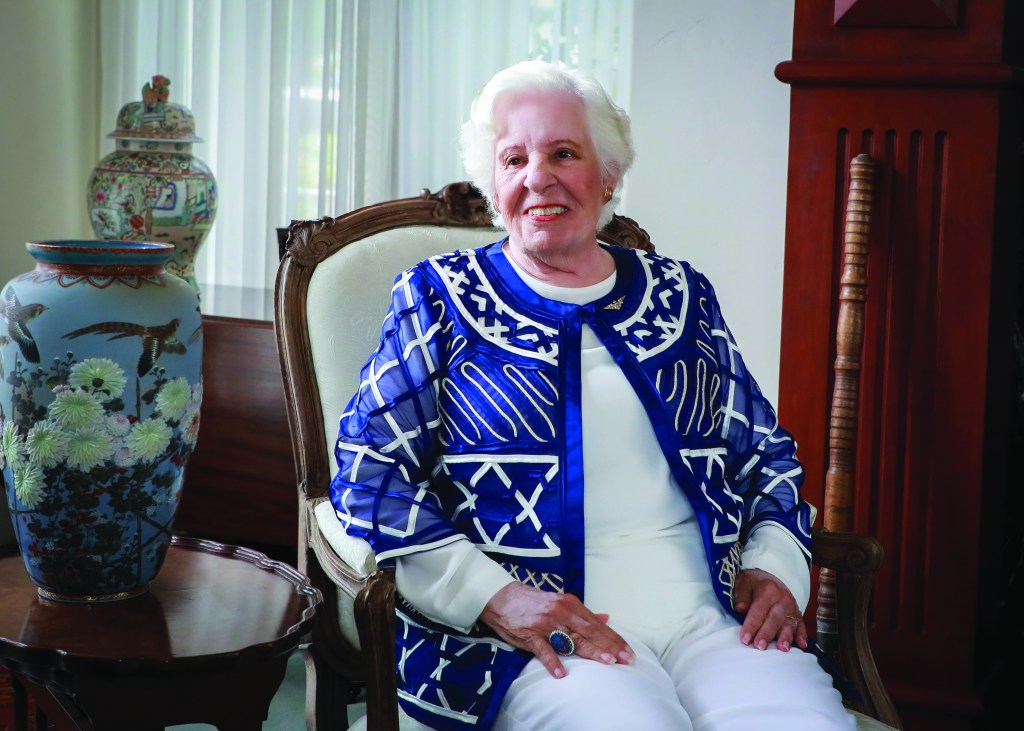
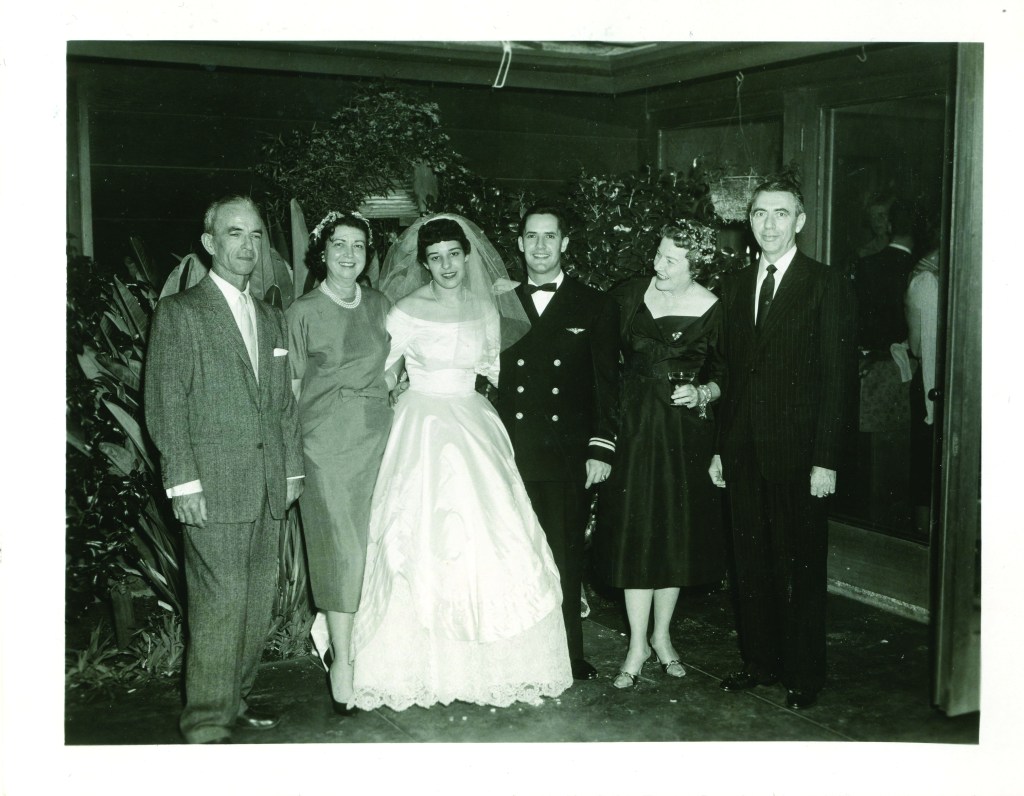
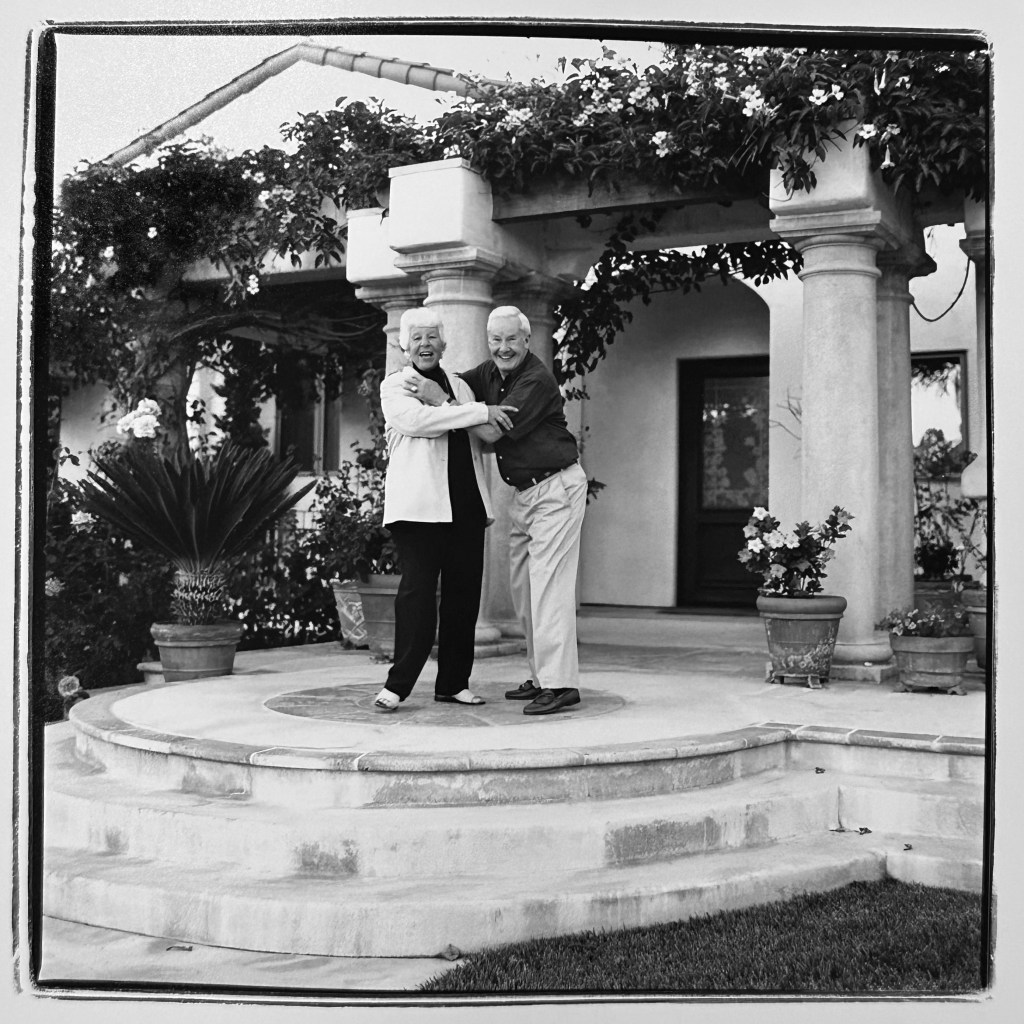
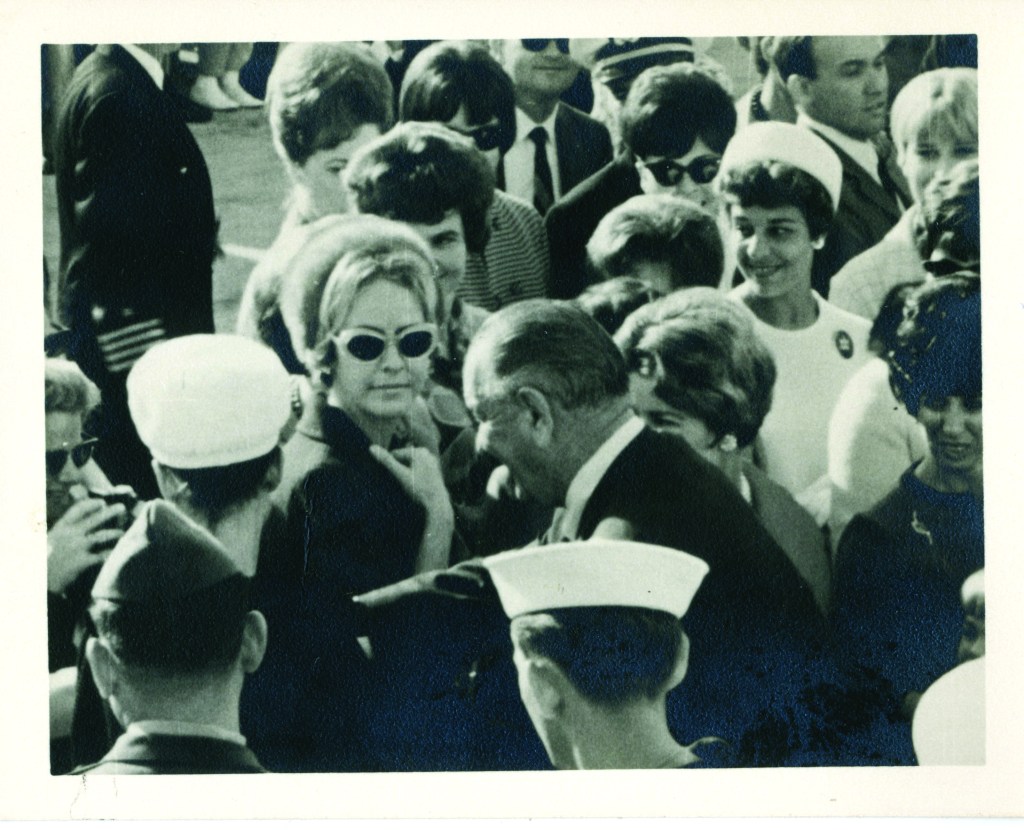
More photos of Sherry Martin:


 Island Icons